


Mitigating the Unseen: Globe and PFIP Tackle Unconscious Bias Together

On July 31, 2026, the atmosphere at Globe Telecom Plaza felt a little different.
Inside the Mandaluyong office, leaders, HR practitioners, and employees from different companies paused the daily rush to do something deeply human and necessary: examine how their assumptions shape the way they work with others.
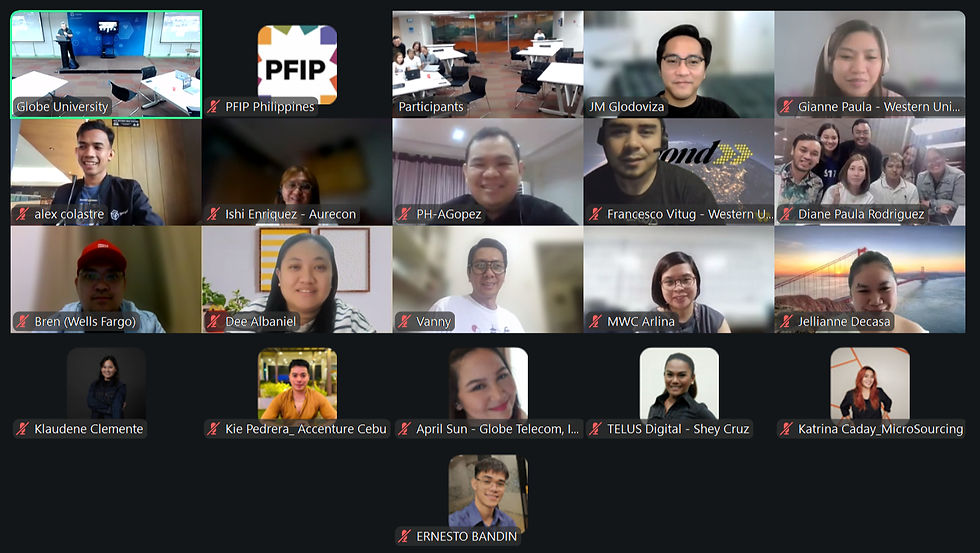
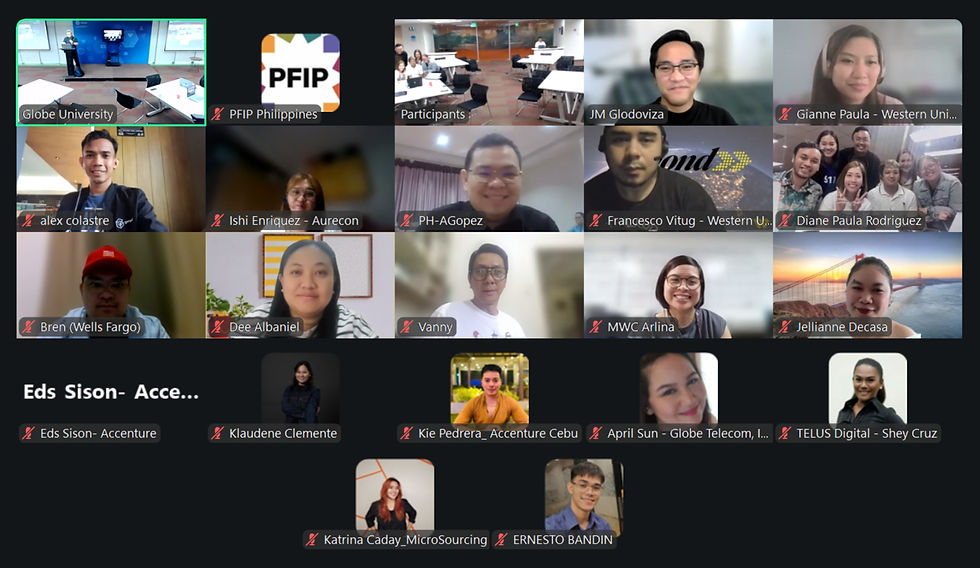
In partnership with the Philippine Financial and Inter-Industry Pride (PFIP), Globe Telecom hosted the Mitigating Unconscious Bias Training, bringing together over 50 participants from local and multinational organizations including Wells Fargo, Aboitiz, iRhythm Philippines, Accenture, and more.

They weren’t there just to attend another workshop. They were there to ask a harder question: How fair are our everyday decisions—really?
Why unconscious bias matters at Globe
At Globe, Diversity, Equity, Inclusion, and Belonging (DEIB) is a core part of how we care for our people. One of our values says it best: “We value people, and together we make the difference.”
We strive to build a workplace where:
PWDs have meaningful access to spaces, tools, and opportunities
LGBTQ+ Ka-Globe feel safe and seen—not just accepted, but celebrated
People of all genders are given equal access to growth, leadership, and recognition
Different backgrounds and perspectives are treated as strengths, not exceptions
But even with strong values and policies, bias can quietly show up in everyday moments: who we listen to in meetings, who we recommend for promotion, whose “potential” we see, whose needs we remember—or forget.
This is where unconscious bias lives. And this is why Globe partnered with PFIP: to help people notice those subtle patterns and learn how to interrupt them.
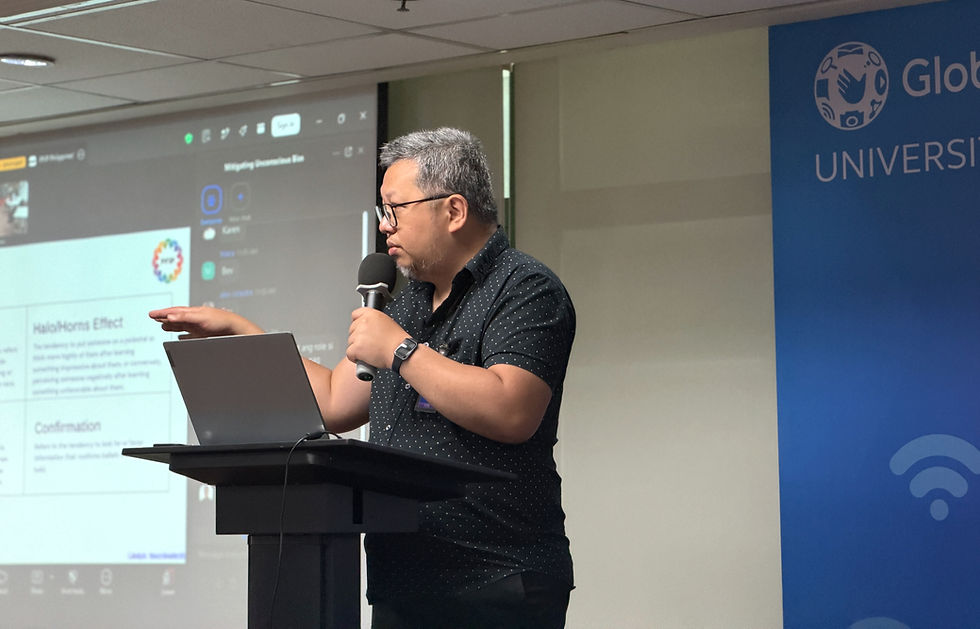
Learning with PFIP: A safe space to reflect
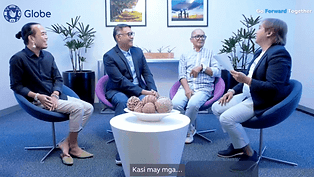
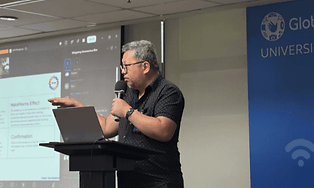
The session was led by Leo del Castillo, Learning Experience Lead and North Luzon Chapter Coordinator – Consultant at PFIP. Leo brought a mix of expertise, relatability, fun, and vulnerability that made the room feel safe enough for honest reflection.
Instead of framing bias as a moral failing, Leo grounded the discussion in something we all share: being human.
We all use mental shortcuts to make sense of the world and make faster decisions. But when left unchecked, these shortcuts can lead to unfair outcomes, especially for people who are already at the margins.
The goal of the training wasn’t to become “perfectly unbiased.” It was to become more aware of our patterns, intentional about our choices, and accountable for the impact of our decisions.
From concept to reality: Case studies and group work
What made the session powerful was how practical it became.

Participants worked through real-world scenarios that felt familiar:
A hiring team gravitating toward candidates who “feel like a culture fit”
A leader unintentionally giving stretch opportunities to the same few people
Project plans that fail to consider accessibility needs
Assumptions about colleagues based on gender expression or who they love
In small groups, participants unpacked questions such as:
Where might bias be hidden here?
Who might be unintentionally excluded or disadvantaged?
What could we change to make this more inclusive and fair?
They then shared their ideas in quick presentations—ranging from inclusive job descriptions and structured interviews, to better meeting practices and more intentional allyship.
The diversity of companies and roles in the room added richness to the discussion. One organization’s challenge was another’s learning. One person’s blind spot was another’s lived experience.
Centering those most affected
Throughout the session, participants were invited to look at bias through the eyes of those who often carry its weight:
PWDs, who may be judged by assumptions rather than capabilities
LGBTQ+ employees, who pick up on every signal that says “you belong” or “hide this part of yourself”
Women and gender-diverse colleagues, who may be subtly steered toward or away from certain roles, tasks, or leadership paths
These conversations echoed Globe’s own commitment to inclusion—from our advocacy for LGBTQ+ rights and gender equity, to ongoing efforts to build more accessible and supportive environments for PWDs.
Partnership and shared learning
By opening its doors and co-hosting this training with PFIP, Globe helped create a space where inclusion became a collective effort, and not just an internal initiative.
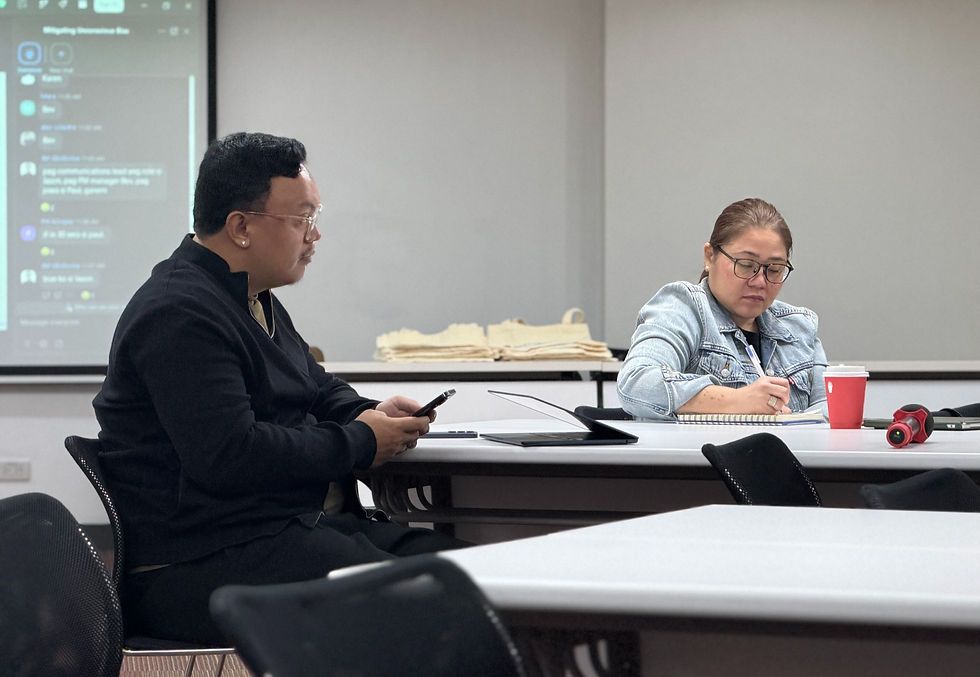
Participants didn’t just learn from Leo and from Globe’s perspective. They learned from each other:
Swapping stories about what has worked (or not) in their companies
Exploring how to start or strengthen DEIB programs and employee groups
Discussing how leaders can model inclusive behavior in everyday moments
For some, the training also sparked interest in going deeper—exploring paths to become certified trainers on unconscious bias within their organizations, multiplying the impact beyond a single session.
“Mitigating” as an ongoing practice
There’s a reason the training is called Mitigating Unconscious Bias and not Eliminating it. Bias doesn’t disappear overnight. But it can be recognized, questioned, and actively managed.

For Globe, that means:
Slowing down important decisions so they’re not ruled by instinct alone
Asking who’s missing from the room—and from the conversation
Checking how policies and processes impact different groups
Creating space where people feel safe to say, “This doesn’t feel fair”
The session at Globe Telecom Plaza was one moment in a longer journey, but it was a meaningful one. Participants left not with a list of rules, but with a clearer lens: a way of seeing where bias might be at work, and a toolkit for responding with more fairness and empathy.

By hosting this session with PFIP and welcoming peers from across industries, Globe reaffirmed what we believe: when we challenge our biases and widen our circles of care, we don’t just become a better company—we help build a more inclusive business community.
Because when everyone has a fair chance to be seen, heard, and valued, we all go forward together.
Follow Globe Telecom on LinkedIn to learn more about our workplace culture and career opportunities.






Comments